The person whom I love most is someone I have never met in my life, but hold dear hope of meeting one day. I was taught to love him ever since I was small, even more than the love I should reserve for my father and mother. It was difficult- I’d read about his life and attributes and I loved and held him in high esteem, but to sincerely love him more than my whole family whom I’ve known for life? Truth be told, I didn’t put in too much effort then to inculcate the feeling in its entirety- I thought it was normal because of the huge chronological gap between us, plus the vague details I knew about his appearance.
But love really does transcend all that. As I grew, I kept reading stories about him I’ve read tens of times before, and each time felt like I was reading something new- their meanings stretched further and further into the nooks and cranny of my heart. I eventually came to understand when, upon finishing a chapter about him, my heart would ache from a sense of longing, and a session wouldn’t pass without a tear being shed. At risk of sounding melodramatic, I had finally found the love I was searching for.
I feel fortunate to be born a Muslim, but at times I do envy Muslim reverts who have willfully sought out the truth and have pure notions about what defines Islam and the true way of living it. And thus, their newfound love is both strong and pure. Contrary to what many would believe, Muslims like me don’t have it all laid out for us. Again, I’m fortunate to be blessed with God-fearing parents, but in a society intertwined with miscellaneous strings of opposing nature i.e. tradition and modernisation, life’s tricky for all. True faith is not a given; you can be a Muslim by name for all your lives, yet your heart is empty.
But I digress. The person that I love most- the Prophet Muhammad S.A.W. was a man like no other. He is lauded the world over for his steady success in all aspects of leadership- religious-wise, military-wise, government-wise, yet what strikes most about him is his excellent morals and manners- attributes that have won him many admirers and turned enemies into believers.
“Indeed you stand on an exalted standard of character.” (Al-Qalam 68:4)
Ali ibn abi Talib r.a. has described prophet Muhammad S.A.W. in length:
"He was not vulgar nor did he condone vulgarity, and he was not one to shout in the market place. He did not reward evil with evil, rather, he would forgive and overlook. He never in his life struck anything with his hand except when he was fighting in the name of Allah. He never struck a servant nor a woman, and I never saw him taking revenge for an injustice dealt him, except if the prohibitions of Allah were transgressed. For if the prohibitions of Allah were transgressed he was among the strongest of them in anger. He was never given a choice between two matters but he chose the simpler of the two. If he entered into his home he was a man like any other; cleaning his own garment, milking his own goat, and serving himself.
He would guard his tongue from that which did not concern him. He would attract them (the people) and not repel them. He would ennoble the noble of the people and charge them with their affairs. He was wary of the people and guarded himself against them but without depriving them a warm smile or fitting conduct. He would inquire after his companions and would ask the people about their affairs. He would encourage that which was good and strengthen it, and he would discourage that which was evil and undermine it.
He was balanced and consistent. He would never be neglectful that they would not learn neglect and grow indifferent. He had a provision for every occasion and he never fell short of justice nor exceeded it. The closest people to him were the best among them, and the best among them in his eyes were the most comprehensive in advice. The highest of them in stature with him was the best among them in looking after the people and assisting them.
He would not rise nor sit down without praise [to God]. If he visited a gathering he would sit wherever the group ended (and not at their head) and he encouraged the same. He would give all those sitting with him their just due [to the extent that] they would each feel that none was more important to him than them. If someone were to sit with him or come in search of a favor he would be patient with them until they (the guest) would be the one to leave. Whoever came to him with a request was never turned away except with that which they had asked for or with a kind word.
His cheerfulness and good manners encompassed them all such that he became a father to them and they all became equal in rights. His gatherings were those of knowledge, humbleness, patience, and integrity. In them there would be no raising of voices nor transgressions of prohibitions. They would not expose one-another's errors, but would be equal, encouraging each-other in the fear of God. In them, they would respect their elders, be merciful to their children, give preference to those in need, and protect the stranger."
He continues: "He was continually smiling, gentle in manners, soft in nature. He was not severe, harsh-hearted, loud, abusive, or miserly. He would disregard that which he disliked, and no one ever despaired of him. He never responded to disparagement or evil words.
He forbade upon himself three things: Argument, arrogance, and that which did not concern him. And he relieved the people of three: He would not degrade any among them or abuse them, he would not search after their honor or private matters, and he would not speak except in matters which he hoped to be rewarded for. When he spoke his attendees would lower their heads as if birds had alighted upon them. Once he finished they would speak. They would not vie with one-another in his presence to speak, but when one would talk in his presence the rest would listen until he finished. Speech in his presence was that of the first among them. He would laugh with them, and wonder with them. He had patience with the strangers when they were gruff in speech and requests, to a degree that his companions would fetch them to him. He would say: 'If you see someone in need, fetch him to me.'
He would not accept praise except from those who were balanced and not excessive. He would not interject into someone's speech unless they transgressed, in which case he would either rebuke them or else leave. He was the most generous of heart, truthful of tongue, softest in disposition, and noble in relationship. He who first set eyes upon him feared him, but he who associated with him loved him. Those who described him would say: 'I have never seen before or after him anyone similar to him, peace be upon him'.
All accounts of his life testify to the peerless superiority of his character. How it hurts me then, to read about contortions of truth by some people based on semi-learned facts about the Prophet which they patch together to form a twisted puzzle of an image. Whilst they appear to be pathetic and bedeviled by prejudices, there are seemingly a lot of ignorant people out there who fall prey to those lies. By all means, try to read all objective works on him and you will find that, amongst others, his admirable character is indisputable. The prophet, whilst clearly displaying the most exemplary virtues of a human being, however disliked being praised and put upon a pedestal. Anas ibn Malik said:
"No one was more beloved to us than the Messenger of Allah (s.a.w.), [however], if we saw him we would not stand up for him for we knew how much he disliked [for us to do so].”
And on one occasion someone called to him saying: "O best of mankind ..." He replied: "That is Ibrahim, peace be upon him".(Muslim)
By nature he was gentle and kind-hearted, always inclined to be gracious and to overlook the faults of others. Politeness and courtesy, compassion and tenderness, simplicity and humility, sympathy and sincerity were some of the keynotes of his character. One day, he was leading the prayer and intended to make it long, when he heard the cry of a baby. He then shortened the prayer because he didn’t want the mother to be worried and distracted.
Once, a pagan (in another account, a Jew) by the name of Zaid ibn Sa'ana came to the Messenger of Allah (S.A.W.) in order to collect a debt. When he drew near Muhammad (S.A.W.) he wrenched him by his clothes violently, exposing his shoulder, and spoke rudely at him. Finally, he said: "You sons of Abdul Muttalib are all a procrastinating lot." Immediately, Umar ibn Al-Khattab leapt at him chastising and rebuking him harshly, all the while the Messenger of Allah (S.A.W.) looked on smiling. Then the Prophet (S.A.W.) said to Umar: "He and I were in need of other than this O Umar; You should have commanded me to excel in my repayment, and have commanded him to excel in his request for repayment." He (Muhammad, S.A.W.) said: "There [still] remains in his term three [days]" However, He (Muhammad, S.A.W.) then immediately commanded Umar to see to his recompensation and to increase him twenty 'saa' (weights) as compensation for the ‘terrorisation’ he had endured (from Umar). This man later became a Muslim. (Al-Bayhaqi, ibn Habban, and Al-Tabarani)
One of the Prophet’s most famous attributes is his matchless generosity. In an authentic hadith narrated by Bukhari, it was said that he was never asked for something and then said ‘no’. Abu Dharr narrated that Allah's Messenger (S.A.W.) said,
"If I had gold equal to the mountain of Uhud, it would not please me that any of it should remain with me after three nights (i.e. I would spend all of it in Allah's cause) except what I would keep for repaying debts." (Bukhari)
Once the Prophet went home in a hurry after the prayer and then immediately came out again. The people were surprised, but he told them that he had remembered during the prayer that there was some gold in his house. He thought that he might forget and the gold might remain there all night. He then went back home to ask that it might immediately be given in charity.
His love for the poor was so deep that he used to pray: "O Allah, keep me poor in my life and at my death and raise me at resurrection among those who are poor." (Nasai)
To his wife he said, "O A'ishah, love the poor and let them come to you and Allah will draw you near to Himself." (Bukhari)
His sense of justice was also unassailable and in a narration by Abu Dawud, the Jews, in spite of their hostility to the Prophet S.A.W., were so impressed by his impartiality and sense of justice that they used to bring their cases to him, and he decided them according to Jewish law.
Once, while he was distributing the spoils of war, people flocked around him and one man almost fell upon him. He pushed the men with a stick causing a slight abrasion. He was so sorry about this that he told the man that he could have his revenge, but the man said, "O messenger of Allah, I forgive you." (Abu Dawud)
The miracle to result from the examples of the Prophet was the staggering transformation in the morals and manners of the people itself, who, not so many years before, were a bunch of brash, discourteous tribesmen, readily spilling blood with one another over wealth, women and status. Iqbal mentions these gifts of Prophet Muhammad in some of his inimitable verses:
He slept on a mat of rushes,
But the crown of Chosroes lay beneath the feet of his followers;
He chose the nightly solitude of Mount Hira,
And founded a nation, law and government;
He passed his nights with sleepless eyes,
That his Millet might sleep on Chosroes throne
In the hour of battle, iron was melted by the flash of his sword.
At prayer time, tears fell like drops of rain from his eyes.
In his prayer for Divine help, his Amen' was a sword,
Which extirpated the lineage of kings.
He inaugurated a new Order in the world,
He brought the empires old to an end:
In his sight the high and the low were one,
He sat with the slave at table one;
He burnt clear the distinctions of birth and clan.
His fire consumed all this trash and bran.
Do we truly appreciate what the Prophet S.A.W. has done for us? Do all of us even realise just how much he loved us and constantly worried about our fate right till the end of his life? Do we truly feel his sorrows in Taif and Uhud? Verse 178 from Surah At-Taubah tugged at my heart whenever I read it:
“Now hath come unto you a Messenger from amongst yourselves: it grieves him that ye should perish: ardently anxious is he over you: to the Believers is he most kind and merciful.”
Let’s all take a moment to reflect on our love for the Prophet and how we can best demonstrate it. Return to the core teachings of Al-Quran and As-sunnah. I realise it’s not enough to offer such general words of advice, yet to list down everything we all know but may have slipped our mind won’t fit into this one article. One of the Prophet’s last words was to uphold solaah, and whilst it is something that I’m sure we all do, let’s all try to improve on the quality of our prayers.
“Establish regular prayers - at the sun's decline till the darkness of the night, and the morning prayer and reading: for the prayer and reading in the morning carry their testimony.
And pray in the small watches of the morning (tahajjud): (it would be) an additional prayer (or spiritual profit) for thee: soon will thy Lord raise thee to a Station of Praise and Glory!”
Al-Isra’:78-79
Allahumma salli ala saiyidina Muhammad waala alihi wasahbihi ajmaiin.
Ps: Materials were extracted from As-Sirah An-Nabawiyyah by Sh. Abul Hasan Ali An-Nadwy.
Pps: To those who managed to read this without skipping so much as a sentence (I know it's long), I hope you have gained some benefits from it. ;)
Showing posts with label islam. Show all posts
Showing posts with label islam. Show all posts
Monday, March 09, 2009


Tuesday, January 06, 2009
Day of Ashura
In the month of Muharram, we should remember the Hijrah of the Prophet (peace and blessings be upon him) from Makkah to Madinah. There are many lessons in this story and it can help us understand the basic significance of the Hijrah calendar. It is good to remember that Hijrah was a significant move for the growth of Islam and throughout history, Islam has benefited from the Hijrah.
It is also the Sunnah of the Prophet (peace and blessings be upon him) to fast on the 9th and 10th of Muharram. The Prophet (peace and blessings be upon him) used to fast on the 10th day (`Ashura'). When he came to Madinah, he found out that the Jews of Madinah were also fasting on this day remembering Prophet Musa (peace and blessings be upon him). The Prophet (peace and blessings be upon him) admired this tradition and he said to the Jews, "We are closer to Musa than you are." He fasted and he also told his Companions to fast on this day. Later, before the end of his life on this earth, the Prophet (peace and blessings be upon him) told Muslims to add the 9th day also. Thus, it is recommended to fast on both the 9th and 10th of Muharram.
It is also good to remember the great sacrifice of Al-Husain and his family (may Allah be pleased with all of them). Theirs was the true Jihad for the cause of truth and justice. We should learn the lessons of courage, patience and perseverance from the episode of Karbala' (year 61 A.H. / 680 C.E).
Dr. Muzammil Siddiqi, president of the Fiqh Council of North America
~~~
New year holidays are a blanket term that predominantly comprises of study leave for winter exams. So whilst I should be out there painting the town red (or white, to be in tune with the mood) or stuffing snowballs into some poor fella's hood, I'm glued to these four walls, torn between the bed and the table. I did go out yesterday, actually, but it didn't snow. Those white thingies are mischievous- they would usually choose exam days and those surrounding them to pay us a merry visit. How befitting.
It is also the Sunnah of the Prophet (peace and blessings be upon him) to fast on the 9th and 10th of Muharram. The Prophet (peace and blessings be upon him) used to fast on the 10th day (`Ashura'). When he came to Madinah, he found out that the Jews of Madinah were also fasting on this day remembering Prophet Musa (peace and blessings be upon him). The Prophet (peace and blessings be upon him) admired this tradition and he said to the Jews, "We are closer to Musa than you are." He fasted and he also told his Companions to fast on this day. Later, before the end of his life on this earth, the Prophet (peace and blessings be upon him) told Muslims to add the 9th day also. Thus, it is recommended to fast on both the 9th and 10th of Muharram.
It is also good to remember the great sacrifice of Al-Husain and his family (may Allah be pleased with all of them). Theirs was the true Jihad for the cause of truth and justice. We should learn the lessons of courage, patience and perseverance from the episode of Karbala' (year 61 A.H. / 680 C.E).
Dr. Muzammil Siddiqi, president of the Fiqh Council of North America
~~~
New year holidays are a blanket term that predominantly comprises of study leave for winter exams. So whilst I should be out there painting the town red (or white, to be in tune with the mood) or stuffing snowballs into some poor fella's hood, I'm glued to these four walls, torn between the bed and the table. I did go out yesterday, actually, but it didn't snow. Those white thingies are mischievous- they would usually choose exam days and those surrounding them to pay us a merry visit. How befitting.
Thursday, January 01, 2009
Making a stand
I remember entering 2005 with the world shrouded by the Indian Ocean tsunami tragedy. Today, we usher into 2009 and 1430 with a parallel atmosphere- in the form of classic work of terrorism by the Israeli Zionists. There are so many emotions compressing my chest when asked to voice my opinion on this particular issue, mostly excruciating to try putting into words. Whether you’re a Muslim and think that this is by and large an issue of native Palestinians wanting to regain the rights to their land and deny the primary cause being religious (which is a misapprehension, if you study the Quran and hadith), or a non-Muslim who think this an Islamic cause and has nothing to do with you, you can’t deny the fact that what we see happening in Palestine today is an injustice in the most extreme of definitions. What indeed is the justification of the Zionists invading the land, ousting its inhabitants by force, besides it being their so-called promised land? And how can the rest of the world even justify that when 99% of us are not even Jewish? I fail to see the logic in an era overfed with a supposed sense of political correctness and pretend civilisation.
It is difficult to resolve the crisis when the bad guys get all the backings from certain giant superpowers who swiftly pave the way for these people to play big bullies, quashing any efforts from other parties to restore integrity. What then, can we measly members of the society do?
Firstly, we have to take a stand. I, as a Muslim, perhaps feel a greater sense of kinship with this issue, but it’s a cause everyone should be aware of. What can we do against these terrorists, being so far away from our brothers and sisters? We pray, pray, and keep praying. We spread the news; build up awareness within the public. And a point strongly stressed in yesterday’s weekly halaqah centering on this current predicament- strive to improve ourselves, to make ourselves worthy Muslims whose prayers will be answered.
Why do we boycott their goods? To show our solidarity and earnestness, with the ambitious goal of subverting their economy. Why do we make public protests? Again, to show our solidarity AND to pressure these people into retracting their actions. International pressure has been proven to work in past aggressions, and although it may not bear similar results in this case, what do we have to lose? I believe it’s better than going about in our everyday complacency, perhaps occasionally condemning these abominable acts when they’re shown on TV, and that’s that. It’s something I feel strongly about, and although I can’t have everyone seeing it through my eyes, I wish they would. I’ve blogged about this issue a couple of times already, but it’s a timeless cause, and I will continue to bring it up in the future.
So I guess that ends my reflection of December. As of the year 2008- it has been a good year, but I wish I had written more. I wish I had done a whole lot more. Well.
And I miss home.
It is difficult to resolve the crisis when the bad guys get all the backings from certain giant superpowers who swiftly pave the way for these people to play big bullies, quashing any efforts from other parties to restore integrity. What then, can we measly members of the society do?
Firstly, we have to take a stand. I, as a Muslim, perhaps feel a greater sense of kinship with this issue, but it’s a cause everyone should be aware of. What can we do against these terrorists, being so far away from our brothers and sisters? We pray, pray, and keep praying. We spread the news; build up awareness within the public. And a point strongly stressed in yesterday’s weekly halaqah centering on this current predicament- strive to improve ourselves, to make ourselves worthy Muslims whose prayers will be answered.
Why do we boycott their goods? To show our solidarity and earnestness, with the ambitious goal of subverting their economy. Why do we make public protests? Again, to show our solidarity AND to pressure these people into retracting their actions. International pressure has been proven to work in past aggressions, and although it may not bear similar results in this case, what do we have to lose? I believe it’s better than going about in our everyday complacency, perhaps occasionally condemning these abominable acts when they’re shown on TV, and that’s that. It’s something I feel strongly about, and although I can’t have everyone seeing it through my eyes, I wish they would. I’ve blogged about this issue a couple of times already, but it’s a timeless cause, and I will continue to bring it up in the future.
So I guess that ends my reflection of December. As of the year 2008- it has been a good year, but I wish I had written more. I wish I had done a whole lot more. Well.
And I miss home.
Sunday, May 18, 2008
Blessed gardens
The increasingly bleak visage of this blog, fueled by the occasional words of reminder from a few people which are noticeably becoming frequent (thank you), I feel like I should finally write a word or two. Presumably I’ve been busy, although looking at the things that I do every day, one might have a hard time telling apart a medical student from a standard-fiver. However, final exams are almost here and everyone’s all gung-ho about it (actually more about the part that comes after it, where we’re going back home, but let’s skip the details.), so I think I’m gonna wash my white coat soon and come out brand new- literally and metaphorically speaking. Hehe.
Last week we held a fundraising campaign for the construction of a new mosque in the Kirovskiy region of Volgograd. Some of the activities included a talk, clip show, charity sale, and a trip to the current mosque adjacent to the construction site of the new one. We had all been made aware of the cause last year but not many really understood the dire need of it (me included). I thought, so they were building a mosque, good, good… I’d be glad to donate what my wallet could offer at the time.
But that day I decided to participate in the trip, and I finally understood, wholeheartedly... I was rendered speechless at the sight of the humble mosque which was about the size of a three-person room in my hostel (which we still complain about from time to time). We'd been shown a video interview of the elders who frequented the mosque earlier during our talk at the hostel, and I thought they were showing a part of the praying area, but really that was about the whole of it. The place itself was a picture of utmost calm, with comfy rugs and comforters over wooden benches where the elders sat, but it was nowhere sufficient for local Muslims to pray, especially during Friday prayers. The only other mosque in Volgograd (where Malaysians usually frequented) was also reported to be barely adequate during Fridays.
The cost of building the new mosque is estimated at 15 million Roubles (roughly equivalent to RM 2 million) and the accumulated sum so far is approximately 2 million Roubles (13.33% of the required amount)- 1 and a half years after the fund’s initiation, from what we were told. So you can see that we’re in quite a fix here. The project didn’t receive financial backing from the state government, although apparently talks are under way (which I imagine won’t be a walk in the park, not in very secular Russia). I feel like I need to do something besides giving a few wads of cash, and spreading the word seems about the only thing I’m in power of doing at the current ‘minion’ state of mine.
I thought I could do a decent job, perhaps with beautiful flowing words to attract people to the plea, but I guess this can get no plainer. Nevertheless, it’s an honest plea on behalf of Muslims in Volgograd who will tremendously benefit from the building of this mosque/Islamic centre, and you and I can be part of the barakah attained within it. I may not even be here when the mosque is finally completed, but building a mosque (especially where it's urgently needed) is a lasting heritage, a grounds for mercy in the hereafter, so that’s enough motivation for me.
If anyone would like to find out more about the project, please visit here. Contact persons are given at the site, but if you would like to make donations through me, you can email me at thescientist02@yahoo.com.
“And the likeness of those who spend their substance, seeking to please Allah and to strengthen their souls, is as a garden, high and fertile: heavy rain falls on it but makes it yield a double increase of harvest, and if it receives not heavy rain, light moisture sufficeth it. Allah seeth well whatever ye do.” (Al-Baqarah:265)
Last week we held a fundraising campaign for the construction of a new mosque in the Kirovskiy region of Volgograd. Some of the activities included a talk, clip show, charity sale, and a trip to the current mosque adjacent to the construction site of the new one. We had all been made aware of the cause last year but not many really understood the dire need of it (me included). I thought, so they were building a mosque, good, good… I’d be glad to donate what my wallet could offer at the time.
But that day I decided to participate in the trip, and I finally understood, wholeheartedly... I was rendered speechless at the sight of the humble mosque which was about the size of a three-person room in my hostel (which we still complain about from time to time). We'd been shown a video interview of the elders who frequented the mosque earlier during our talk at the hostel, and I thought they were showing a part of the praying area, but really that was about the whole of it. The place itself was a picture of utmost calm, with comfy rugs and comforters over wooden benches where the elders sat, but it was nowhere sufficient for local Muslims to pray, especially during Friday prayers. The only other mosque in Volgograd (where Malaysians usually frequented) was also reported to be barely adequate during Fridays.
The cost of building the new mosque is estimated at 15 million Roubles (roughly equivalent to RM 2 million) and the accumulated sum so far is approximately 2 million Roubles (13.33% of the required amount)- 1 and a half years after the fund’s initiation, from what we were told. So you can see that we’re in quite a fix here. The project didn’t receive financial backing from the state government, although apparently talks are under way (which I imagine won’t be a walk in the park, not in very secular Russia). I feel like I need to do something besides giving a few wads of cash, and spreading the word seems about the only thing I’m in power of doing at the current ‘minion’ state of mine.
I thought I could do a decent job, perhaps with beautiful flowing words to attract people to the plea, but I guess this can get no plainer. Nevertheless, it’s an honest plea on behalf of Muslims in Volgograd who will tremendously benefit from the building of this mosque/Islamic centre, and you and I can be part of the barakah attained within it. I may not even be here when the mosque is finally completed, but building a mosque (especially where it's urgently needed) is a lasting heritage, a grounds for mercy in the hereafter, so that’s enough motivation for me.
If anyone would like to find out more about the project, please visit here. Contact persons are given at the site, but if you would like to make donations through me, you can email me at thescientist02@yahoo.com.
“And the likeness of those who spend their substance, seeking to please Allah and to strengthen their souls, is as a garden, high and fertile: heavy rain falls on it but makes it yield a double increase of harvest, and if it receives not heavy rain, light moisture sufficeth it. Allah seeth well whatever ye do.” (Al-Baqarah:265)
Tuesday, December 18, 2007
Hari Arafah
KEUTAMAAN 10 HARI PERTAMA BULAN DZULHIJJAH DAN AMALAN YANG DISYARIATKAN
Oleh
Syaikh Abdullah bin Abdurrahman Al-Jibrin
Segala puji bagi Allah semata, shalawat dan salam semoga tercurah kepada Rasulullah, Nabi kita Muhammad, kepada keluarga dan segenap sahabatnya.
KEUTAMAAN 10 HARI YANG PERTAMA BULAN DZULHIJJAH.
Diriwayatkan oleh Al-Bukhari, Rahimahullah, dari Ibnu 'Abbas Radhiyallahu 'Anhuma bahwa Nabi Shallallahu 'alaihi wa sallam bersabda :
"Artinya : Tidak ada hari dimana amal shalih pada saat itu lebih dicintai oleh Allah daripada hari-hari ini, yaitu : Sepuluh hari dari bulan DzulHijjah. Mereka bertanya : Ya Rasulullah, tidak juga jihad fi sabilillah ?. Beliau menjawab : Tidak juga jihad fi sabilillah, kecuali orang yang keluar (berjihad) dengan jiwa dan hartanya, kemudian tidak kembali dengan sesuatu apapun".
Imam Ahmad, Rahimahullah, meriwayatkan dari Umar Radhiyallahu 'Anhuma, bahwa Nabi Shallallahu 'alaihi wa sallam bersabda :
"Artinya : Tidak ada hari yang paling agung dan amat dicintai Allah untuk berbuat kebajikan di dalamnya daripada sepuluh hari (DzulHijjah) ini. Maka perbanyaklah pada saat itu tahlil, takbir dan tahmid ".
MACAM-MACAM AMALAN YANG DISYARIATKAN
[1]. Melaksanakan Ibadah Haji Dan Umrah
Amal ini adalah amal yang paling utama, berdasarkan berbagai hadits shahih yang menunjukkan keutamaannya, antara lain : sabda Nabi shallallahu 'alaihi wa sallam:
"Artinya : Dari umrah ke umrah adalah tebusan (dosa-dosa yang dikerjakan) di antara keduanya, dan haji yang mabrur balasannya tiada lain adalah Surga".
[2]. Berpuasa Selama Hari-Hari Tersebut, Atau Pada Sebagiannya, Terutama Pada Hari Arafah.
Tidak disangsikan lagi bahwa puasa adalah jenis amalan yang paling utama, dan yang dipilih Allah untuk diri-Nya. Disebutkan dalam hadist Qudsi :
"Artinya : Puasa ini adalah untuk-Ku, dan Aku lah yang akan membalasnya. Sungguh dia telah meninggalkan syahwat, makanan dan minumannya semata-mata karena Aku".
Diriwayatkan dari Abu Said Al-Khudri, Radhiyallahu 'Anhu, Rasulullah Shallallahu 'alaihi wa sallam bersabda :
"Artinya : Tidaklah seorang hamba berpuasa sehari di jalan Allah melainkan Allah pasti menjauhkan dirinya dengan puasanya itu dari api neraka selama tujuh puluh tahun". [Hadits Muttafaq 'Alaih].
Diriwayatkan oleh Imam Muslim dari Abu Qatadah Rahimahullah bahwa Nabi shallallahu 'alaihi wa sallam bersabda :
"Artinya : Berpuasa pada hari Arafah karena mengharap pahala dari Allah melebur dosa-dosa setahun sebelum dan sesudahnya".
[3]. Takbir Dan Dzikir Pada Hari-Hari Tersebut.
Sebagaimana firman Allah Ta'ala.
"Artinya : .... dan supaya mereka menyebut nama Allah pada hari-hari yang telah ditentukan ..". [Al-Hajj : 28].
Para ahli tafsir menafsirkannya dengan sepuluh hari dari bulan Dzul Hijjah. Karena itu, para ulama menganjurkan untuk memperbanyak dzikir pada hari-hari tersebut, berdasarkan hadits dari Ibnu Umar Radhiyallahu 'Anhuma.
"Artinya : Maka perbanyaklah pada hari-hari itu tahlil, takbir dan tahmid ". [Hadits Riwayat Ahmad].
Imam Bukhari Rahimahullah menuturkan bahwa Ibnu Umar dan Abu Hurairah Radhiyallahu 'Anhum keluar ke pasar pada sepuluh hari tersebut seraya mengumandangkan takbir lalu orang-orangpun mengikuti takbirnya. Dan Ishaq, Rahimahullah, meriwayatkan dari fuqaha', tabiin bahwa pada hari-hari ini mengucapkan :
"Allahu Akbar, Allahu Akbar, Laa Ilaha Ilallah, wa-Allahu Akbar, Allahu Akbar wa Lillahil Hamdu"
"Artinya : Allah Maha Besar, Allah Maha Besar, Tidak ada Ilah (Sembahan) Yang Haq selain Allah. Dan Allah Maha Besar, Allah Maha Besar, segala puji hanya bagi Allah".
Dianjurkan untuk mengeraskan suara dalam bertakbir ketika berada di pasar, rumah, jalan, masjid dan lain-lainnya. Sebagaimana firman Allah.
"Artinya : Dan hendaklah kamu mengagungkan Allah atas petunjuk-Nya yang diberikan kepadamu ..". [Al-Baqarah : 185].
Dan diperbolehkan berdzikir dengan yang mudah-mudah. Seperti : takbir, tasbih dan do'a-do'a lainnya yang disyariatkan.
[4]. Taubat Serta Meninggalkan Segala Maksiat Dan Dosa.
Sehingga akan mendapatkan ampunan dan rahmat. Maksiat adalah penyebab terjauhkan dan terusirnya hamba dari Allah, dan keta'atan adalah penyebab dekat dan cinta kasih Allah kepadanya.
Disebutkan dalam hadits dari Abu Hurairah Radhiyallahu 'Anhu, bahwasanya Nabi shallallahu 'alaihi wa sallam bersabda.
"Artinya : Sesungguhnya Allah itu cemburu, dan kecemburuan Allah itu manakala seorang hamba melakukan apa yang diharamkan Allah terhadapnya" [Hadits Muttafaq 'Alaihi].
[5]. Banyak Beramal Shalih.
Berupa ibadah sunat seperti : shalat, sedekah, jihad, membaca Al-Qur'an, amar ma'ruf nahi munkar dan lain sebagainya. Sebab amalan-amalan tersebut pada hari itu dilipat gandakan pahalanya. Bahkan amal ibadah yang tidak utama bila dilakukan pada hari itu akan menjadi lebih utama dan dicintai Allah daripada amal ibadah pada hari lainnya meskipun merupakan amal ibadah yang utama, sekalipun jihad yang merupakan amal ibadah yang amat utama, kecuali jihad orang yang tidak kembali dengan harta dan jiwanya.
[6]. Disyariatkan Pada Hari-Hari Itu Takbir Muthlaq
Yaitu pada setiap saat, siang ataupun malam sampai shalat Ied. Dan disyariatkan pula takbir muqayyad, yaitu yang dilakukan setiap selesai shalat fardhu yang dilaksanakan dengan berjama'ah ; bagi selain jama'ah haji dimulai dari sejak Zhuhur hari raya Qurban terus berlangsung hingga shalat Ashar pada hari Tasyriq.
[7]. Berkurban Pada Hari Raya Qurban Dan Hari-Hari Tasyriq.
Hal ini adalah sunnah Nabi Ibrahim 'Alaihissalam, yakni ketika Allah Ta'ala menebus putranya dengan sembelihan yang agung. Diriwayatkan bahwa Nabi shallallahu 'alaihi wa sallam.
"Artinya : Berkurban dengan menyembelih dua ekor domba jantan berwarna putih dan bertanduk. Beliau sendiri yang menyembelihnya dengan menyebut nama Allah dan bertakbir, serta meletakkan kaki beliau di sisi tubuh domba itu". [Muttafaq 'Alaihi]
[8]. Dilarang Mencabut atau Memotong Rambut dan Kuku bagi orang yang hendak Berkurban.
Diriwayatkan oleh Muslim dan lainnya, dari Ummu Salamah Radhiyallhu 'Anha bahwa Nabi shallallahu 'alaihi wa sallam bersabda.
"Artinya : Jika kamu melihat hilal bulan Dzul Hijjah dan salah seorang di antara kamu ingin berkurban, maka hendaklah ia menahan diri dari (memotong) rambut dan kukunya".
Dalam riwayat lain : "Maka janganlah ia mengambil sesuatu dari rambut atau kukunya sehingga ia berkurban".
Hal ini, mungkin, untuk menyerupai orang yang menunaikan ibadah haji yang menuntun hewan kurbannya. Firman Allah.
"Artinya : ..... dan jangan kamu mencukur (rambut) kepalamu, sebelum kurban sampai di tempat penyembelihan...". [Al-Baqarah : 196].
Larangan ini, menurut zhahirnya, hanya dikhususkan bagi orang yang berkurban saja, tidak termasuk istri dan anak-anaknya, kecuali jika masing-masing dari mereka berkurban. Dan diperbolehkan membasahi rambut serta menggosoknya, meskipun terdapat beberapa rambutnya yang rontok.
[9]. Melaksanakan Shalat Iedul Adha Dan Mendengarkan Khutbahnya.
Setiap muslim hendaknya memahami hikmah disyariatkannya hari raya ini. Hari ini adalah hari bersyukur dan beramal kebajikan. Maka janganlah dijadikan sebagai hari keangkuhan dan kesombongan ; janganlah dijadikan kesempatan bermaksiat dan bergelimang dalam kemungkaran seperti ; nyanyi-nyanyian, main judi, mabuk-mabukan dan sejenisnya. Hal mana akan menyebabkan terhapusnya amal kebajikan yang dilakukan selama sepuluh hari.
[10]. Selain Hal-Hal Yang Telah Disebutkan Diatas.
Hendaknya setiap muslim dan muslimah mengisi hari-hari ini dengan melakukan ketaatan, dzikir dan syukur kepada Allah, melaksanakan segala kewajiban dan menjauhi segala larangan ; memanfaatkan kesempatan ini dan berusaha memperoleh kemurahan Allah agar mendapat ridha-Nya.
Semoga Allah melimpahkan taufik-Nya dan menunjuki kita kepada jalan yang lurus. Dan shalawat serta salam semoga tetap tercurah kepada Nabi Muhammad, kepada keluarga dan para sahabatnya.
Selamat Hari Raya Eid-ul Adha to all Muslims... may our deeds be accepted and we are placed amongst the believers, inshaallah. :)
Oleh
Syaikh Abdullah bin Abdurrahman Al-Jibrin
Segala puji bagi Allah semata, shalawat dan salam semoga tercurah kepada Rasulullah, Nabi kita Muhammad, kepada keluarga dan segenap sahabatnya.
KEUTAMAAN 10 HARI YANG PERTAMA BULAN DZULHIJJAH.
Diriwayatkan oleh Al-Bukhari, Rahimahullah, dari Ibnu 'Abbas Radhiyallahu 'Anhuma bahwa Nabi Shallallahu 'alaihi wa sallam bersabda :
"Artinya : Tidak ada hari dimana amal shalih pada saat itu lebih dicintai oleh Allah daripada hari-hari ini, yaitu : Sepuluh hari dari bulan DzulHijjah. Mereka bertanya : Ya Rasulullah, tidak juga jihad fi sabilillah ?. Beliau menjawab : Tidak juga jihad fi sabilillah, kecuali orang yang keluar (berjihad) dengan jiwa dan hartanya, kemudian tidak kembali dengan sesuatu apapun".
Imam Ahmad, Rahimahullah, meriwayatkan dari Umar Radhiyallahu 'Anhuma, bahwa Nabi Shallallahu 'alaihi wa sallam bersabda :
"Artinya : Tidak ada hari yang paling agung dan amat dicintai Allah untuk berbuat kebajikan di dalamnya daripada sepuluh hari (DzulHijjah) ini. Maka perbanyaklah pada saat itu tahlil, takbir dan tahmid ".
MACAM-MACAM AMALAN YANG DISYARIATKAN
[1]. Melaksanakan Ibadah Haji Dan Umrah
Amal ini adalah amal yang paling utama, berdasarkan berbagai hadits shahih yang menunjukkan keutamaannya, antara lain : sabda Nabi shallallahu 'alaihi wa sallam:
"Artinya : Dari umrah ke umrah adalah tebusan (dosa-dosa yang dikerjakan) di antara keduanya, dan haji yang mabrur balasannya tiada lain adalah Surga".
[2]. Berpuasa Selama Hari-Hari Tersebut, Atau Pada Sebagiannya, Terutama Pada Hari Arafah.
Tidak disangsikan lagi bahwa puasa adalah jenis amalan yang paling utama, dan yang dipilih Allah untuk diri-Nya. Disebutkan dalam hadist Qudsi :
"Artinya : Puasa ini adalah untuk-Ku, dan Aku lah yang akan membalasnya. Sungguh dia telah meninggalkan syahwat, makanan dan minumannya semata-mata karena Aku".
Diriwayatkan dari Abu Said Al-Khudri, Radhiyallahu 'Anhu, Rasulullah Shallallahu 'alaihi wa sallam bersabda :
"Artinya : Tidaklah seorang hamba berpuasa sehari di jalan Allah melainkan Allah pasti menjauhkan dirinya dengan puasanya itu dari api neraka selama tujuh puluh tahun". [Hadits Muttafaq 'Alaih].
Diriwayatkan oleh Imam Muslim dari Abu Qatadah Rahimahullah bahwa Nabi shallallahu 'alaihi wa sallam bersabda :
"Artinya : Berpuasa pada hari Arafah karena mengharap pahala dari Allah melebur dosa-dosa setahun sebelum dan sesudahnya".
[3]. Takbir Dan Dzikir Pada Hari-Hari Tersebut.
Sebagaimana firman Allah Ta'ala.
"Artinya : .... dan supaya mereka menyebut nama Allah pada hari-hari yang telah ditentukan ..". [Al-Hajj : 28].
Para ahli tafsir menafsirkannya dengan sepuluh hari dari bulan Dzul Hijjah. Karena itu, para ulama menganjurkan untuk memperbanyak dzikir pada hari-hari tersebut, berdasarkan hadits dari Ibnu Umar Radhiyallahu 'Anhuma.
"Artinya : Maka perbanyaklah pada hari-hari itu tahlil, takbir dan tahmid ". [Hadits Riwayat Ahmad].
Imam Bukhari Rahimahullah menuturkan bahwa Ibnu Umar dan Abu Hurairah Radhiyallahu 'Anhum keluar ke pasar pada sepuluh hari tersebut seraya mengumandangkan takbir lalu orang-orangpun mengikuti takbirnya. Dan Ishaq, Rahimahullah, meriwayatkan dari fuqaha', tabiin bahwa pada hari-hari ini mengucapkan :
"Allahu Akbar, Allahu Akbar, Laa Ilaha Ilallah, wa-Allahu Akbar, Allahu Akbar wa Lillahil Hamdu"
"Artinya : Allah Maha Besar, Allah Maha Besar, Tidak ada Ilah (Sembahan) Yang Haq selain Allah. Dan Allah Maha Besar, Allah Maha Besar, segala puji hanya bagi Allah".
Dianjurkan untuk mengeraskan suara dalam bertakbir ketika berada di pasar, rumah, jalan, masjid dan lain-lainnya. Sebagaimana firman Allah.
"Artinya : Dan hendaklah kamu mengagungkan Allah atas petunjuk-Nya yang diberikan kepadamu ..". [Al-Baqarah : 185].
Dan diperbolehkan berdzikir dengan yang mudah-mudah. Seperti : takbir, tasbih dan do'a-do'a lainnya yang disyariatkan.
[4]. Taubat Serta Meninggalkan Segala Maksiat Dan Dosa.
Sehingga akan mendapatkan ampunan dan rahmat. Maksiat adalah penyebab terjauhkan dan terusirnya hamba dari Allah, dan keta'atan adalah penyebab dekat dan cinta kasih Allah kepadanya.
Disebutkan dalam hadits dari Abu Hurairah Radhiyallahu 'Anhu, bahwasanya Nabi shallallahu 'alaihi wa sallam bersabda.
"Artinya : Sesungguhnya Allah itu cemburu, dan kecemburuan Allah itu manakala seorang hamba melakukan apa yang diharamkan Allah terhadapnya" [Hadits Muttafaq 'Alaihi].
[5]. Banyak Beramal Shalih.
Berupa ibadah sunat seperti : shalat, sedekah, jihad, membaca Al-Qur'an, amar ma'ruf nahi munkar dan lain sebagainya. Sebab amalan-amalan tersebut pada hari itu dilipat gandakan pahalanya. Bahkan amal ibadah yang tidak utama bila dilakukan pada hari itu akan menjadi lebih utama dan dicintai Allah daripada amal ibadah pada hari lainnya meskipun merupakan amal ibadah yang utama, sekalipun jihad yang merupakan amal ibadah yang amat utama, kecuali jihad orang yang tidak kembali dengan harta dan jiwanya.
[6]. Disyariatkan Pada Hari-Hari Itu Takbir Muthlaq
Yaitu pada setiap saat, siang ataupun malam sampai shalat Ied. Dan disyariatkan pula takbir muqayyad, yaitu yang dilakukan setiap selesai shalat fardhu yang dilaksanakan dengan berjama'ah ; bagi selain jama'ah haji dimulai dari sejak Zhuhur hari raya Qurban terus berlangsung hingga shalat Ashar pada hari Tasyriq.
[7]. Berkurban Pada Hari Raya Qurban Dan Hari-Hari Tasyriq.
Hal ini adalah sunnah Nabi Ibrahim 'Alaihissalam, yakni ketika Allah Ta'ala menebus putranya dengan sembelihan yang agung. Diriwayatkan bahwa Nabi shallallahu 'alaihi wa sallam.
"Artinya : Berkurban dengan menyembelih dua ekor domba jantan berwarna putih dan bertanduk. Beliau sendiri yang menyembelihnya dengan menyebut nama Allah dan bertakbir, serta meletakkan kaki beliau di sisi tubuh domba itu". [Muttafaq 'Alaihi]
[8]. Dilarang Mencabut atau Memotong Rambut dan Kuku bagi orang yang hendak Berkurban.
Diriwayatkan oleh Muslim dan lainnya, dari Ummu Salamah Radhiyallhu 'Anha bahwa Nabi shallallahu 'alaihi wa sallam bersabda.
"Artinya : Jika kamu melihat hilal bulan Dzul Hijjah dan salah seorang di antara kamu ingin berkurban, maka hendaklah ia menahan diri dari (memotong) rambut dan kukunya".
Dalam riwayat lain : "Maka janganlah ia mengambil sesuatu dari rambut atau kukunya sehingga ia berkurban".
Hal ini, mungkin, untuk menyerupai orang yang menunaikan ibadah haji yang menuntun hewan kurbannya. Firman Allah.
"Artinya : ..... dan jangan kamu mencukur (rambut) kepalamu, sebelum kurban sampai di tempat penyembelihan...". [Al-Baqarah : 196].
Larangan ini, menurut zhahirnya, hanya dikhususkan bagi orang yang berkurban saja, tidak termasuk istri dan anak-anaknya, kecuali jika masing-masing dari mereka berkurban. Dan diperbolehkan membasahi rambut serta menggosoknya, meskipun terdapat beberapa rambutnya yang rontok.
[9]. Melaksanakan Shalat Iedul Adha Dan Mendengarkan Khutbahnya.
Setiap muslim hendaknya memahami hikmah disyariatkannya hari raya ini. Hari ini adalah hari bersyukur dan beramal kebajikan. Maka janganlah dijadikan sebagai hari keangkuhan dan kesombongan ; janganlah dijadikan kesempatan bermaksiat dan bergelimang dalam kemungkaran seperti ; nyanyi-nyanyian, main judi, mabuk-mabukan dan sejenisnya. Hal mana akan menyebabkan terhapusnya amal kebajikan yang dilakukan selama sepuluh hari.
[10]. Selain Hal-Hal Yang Telah Disebutkan Diatas.
Hendaknya setiap muslim dan muslimah mengisi hari-hari ini dengan melakukan ketaatan, dzikir dan syukur kepada Allah, melaksanakan segala kewajiban dan menjauhi segala larangan ; memanfaatkan kesempatan ini dan berusaha memperoleh kemurahan Allah agar mendapat ridha-Nya.
Semoga Allah melimpahkan taufik-Nya dan menunjuki kita kepada jalan yang lurus. Dan shalawat serta salam semoga tetap tercurah kepada Nabi Muhammad, kepada keluarga dan para sahabatnya.
Selamat Hari Raya Eid-ul Adha to all Muslims... may our deeds be accepted and we are placed amongst the believers, inshaallah. :)
Monday, July 24, 2006
Wake up, you people

Eloquently put by crimsonskye (thanks for the permission;)) on the prolonging issue:
How much do you care?
Nine days into the open war in Lebanon, with the crimes committed by the Israelis now far beyond their so-called anti-terrorist operations. Civilians are being murdered by the hundreds, their homes ripped apart and their cities torn to shreds. At the same time Palestinians continue their long fight against the occupation of their homeland, and against the atrocities of the Israel government.
Are we even aware of the pain and suffering of our fellow human beings? Or are we still wondering how in the world our darling Siti Nurhaliza chose to marry Datuk K?
Anyone with a heart couldn't possibly not be moved by the plight of the Palestinians, towards their strong and unwearied spirit to carry on their struggle - even without the help of the rest of the world, who tend to turn a blind eye and a deaf ear on the situation. Those Palestinians, they're just ordinary people like you and me, but they're all blessed with this unbelievable bravery to defend their homes and people from the Israelis.
The situation in Palestine can be confusing and misleading to the majority of outsiders, who are depending on the West-controlled media for information about Palestine. If Israel invades the Palestinian lands and murders civilians, that is 'self-defense'. But if someone responds to Israeli aggression with a rocket, that is 'Muslim terrorism'. How could anyone agree to this horrendous double-standard is beyond me.
When Hamas finally obtained victory in the Palestinian legislative election, which has been described by the officials and observers as extremely fair and transparent with a large voter turnout, many stated that the outcome was 'disturbing' because with Hamas in power it would encourage terrorism activities even more than before.
What the hell is this? The Palestinians went through a democracy process that was done with integrity and in line with international standards, then those very same people who claimed to uphold democracy refuse to recognize Hamas' right to form their government. They cut off all ties with the Hamas, reject truces and calls for ceasefire offered by Hamas, sanction blockings towards the aid and supplies brought to the Palestinians, while the Israel regime continues to massacre the Palestinians and razing their homes to the ground.
Suicide bomber/bombing are just terms coined by the West. Phrases like 'Islamic militants' and 'extremists' are used in liberal doses. Don't fall into these manipulating traps. Anyone with the basic knowledge of Islam would know that in Islam, suicide is forbidden to the utmost.
Suicide is done out of desperation, but the Palestinians who bombed themselves have nothing to do with desperation or losing the will to live. This is their last resort to defend themselves against the violence committed upon them. What do the Palestinians have to help themselves against the Israelis, who have a whole hoard of missiles, Apache helicopters, precision bombs, F16s and goodness knows what else?
And just who do we think we are to tell them what they should or never do? We're not in their places - we're sitting here in our comfortable homes, with our friends and family safe with us. We're not the ones who are being snatched away from our homes, watching our own mothers and fathers being murdered before our own eyes, our brothers and sisters assaulted and dishonoured. We're not the ones who are being starved to death and having bombs and bullets slammed into our own streets each passing day.
It doesn't make me feel any better to see anyone being killed, on whatever side they are. Anyone would wish for all of this just to stop right now, but of course that's impossible.
So what we can do?
No need to feel so helpless. The first thing we need to do is take a very firm stand against the Zionists (don't put the Jews all in the same bandwagon! Not all Jews are Zionists and not all Zionists are Jews!) and the regime of Israel. Be extremely aware of the history and the current situation of Palestine. Take every effort to increase our information about their issues e.g. going to talks. Whenever we could, engage friends and family in discussions about the Palestinian issue.
Another step further would be boycotting the products and services by companies that invest in Israel. There are so many, including Intel, Nokia and other brands that are still essential to many of us. We can't boycott all but we can do whatever which is within our capacities.
MacDonald's would be the easiest example. Just two days ago, a friend of mine suddenly told me she has decided not to consume McD anymore. She doesn't know it, but I felt a lump in my throat when I heard her saying that. I have so many people around me who are very sympathetic to the Palestinian cause, but only a few actually boycott something to show solidarity with the Palestinians. She told me, it feels very difficult not to eat anything McD anymore. To give up something that she had enjoyed very much - I pray that Allah will reward her efforts.
I have no idea whether these boycotts have significant economic impacts or not, but that's not my first and foremost reason for boycotting. It's all about taking a stand regarding something that's very dear to my heart. If my boycotting those products can get the message across about the Palestinian issue to other people, or at least make me remind myself of my brothers and sisters who are fighting for their very lives at this very moment, then these are reasons enough for me.
Saturday, June 03, 2006
Remembering Death
The intense emotion I experienced last night prompted me to put up the lyrics to this Arabic song that I find to be poignantly reflective. I retrieved it some time ago through the wonders of file sharing, and the melancholic tune and meaningful lyrics complemented by the evocative vocals just got to me. Having gone through 5 years of Arabic more or less enabled me to appreciate the beauty of the poetic lines, which are much more refined than the translated English version. This song serves as a good remembrance of who we are- of where we came from and to whom we will return. To those who put their trust in Allah, death is but another transient phase en route to a greater pursuit- Al-Akhirah.
If you wish to watch the video, click here.
"Now, if they turn away (O Muhammad) say: Allah sufficeth me. There is no God save Him. In Him have I put my trust, and He is Lord of the Tremendous Throne.” - At-Taubah: 129
Dust is My Bed
Performed & Composed by:
Meshary Alaradah
Lyrcis by:
Ahmad Alkandiry
Dust is my bed, embracing me, and is my cover
The sands are around me, engulfing me from all directions
And the grave recounts (the story of) the darkness of my calamity
And the light has destined that my pleasure is in meeting (Allah)
Where is the kindness of kin? They relinquished fidelity (sold my loyalty)
Where are the scores of friends? They left my brotherhood
Where is the bliss of money? I left it behind
And where is the glory of fame and compliments?
That’s my end; dust is my bed
The beloved bade farewell to his love, and cried my elegy
The tears flow dried out, after crying
The vast universe shrank, narrowing my space
The grave to my corpse became both my land and my sky
That’s my end; dust is my bed
Fear overwhelms my estrangement and sadness is my ailment
Hoping for steadfastness, which is – I swear – my remedy
Sincerely supplicating to the Lord; You are my hope
Hoping- O Allaah – for a paradise, in which my bliss shall be attained
If you wish to watch the video, click here.
"Now, if they turn away (O Muhammad) say: Allah sufficeth me. There is no God save Him. In Him have I put my trust, and He is Lord of the Tremendous Throne.” - At-Taubah: 129
Dust is My Bed
Performed & Composed by:
Meshary Alaradah
Lyrcis by:
Ahmad Alkandiry
Dust is my bed, embracing me, and is my cover
The sands are around me, engulfing me from all directions
And the grave recounts (the story of) the darkness of my calamity
And the light has destined that my pleasure is in meeting (Allah)
Where is the kindness of kin? They relinquished fidelity (sold my loyalty)
Where are the scores of friends? They left my brotherhood
Where is the bliss of money? I left it behind
And where is the glory of fame and compliments?
That’s my end; dust is my bed
The beloved bade farewell to his love, and cried my elegy
The tears flow dried out, after crying
The vast universe shrank, narrowing my space
The grave to my corpse became both my land and my sky
That’s my end; dust is my bed
Fear overwhelms my estrangement and sadness is my ailment
Hoping for steadfastness, which is – I swear – my remedy
Sincerely supplicating to the Lord; You are my hope
Hoping- O Allaah – for a paradise, in which my bliss shall be attained
Sunday, May 28, 2006
A little reminder
This morning, instead of the usual weekly tafseer classes, we viewed two slideshows concerning the plight of our Palestinian brothers and sisters. Later, they handed round a box for donations. I mulled over the fact that we could do so little to help our afflicted fellow Muslims in this jihad against the musyriqin. This issue has been highlighted time and again, but I fear that only very few amongst us who really did empathise with the essence of it and committed to the cause wholeheartedly. And by that, I mean boycotting the products of Israel and those who support the Zionists. We were reminded of this boycotting ‘thing’ during the furor surrounding the Danish cartoon issue not long ago but I think we could use a little prompting on our roles every now and then.
As quoted in a translated letter by Dr Khalil Ismael Al-Hayyah of HAMAS in a copy given to us (I’m paraphrasing) - if we merely become observers to this episodes of transgression and do nothing about it, we will be adjudicated in the Day of Judgment. Our brothers and sisters will demand the rights that they did not get from us in dire needs. They would die as syahids, but our fate is still hanging in the balance. Whilst they are bearing bullets in their bodies, we are happily digesting food made by the very people who fired the bullets in the first place. We are handing them the means to manufacture those bullets, thus in a way, we are fraternising with them. Aren’t we ashamed by that fact?
And just so to clarify the consequences, we won’t die from not eating McDonald’s or not drinking Cokes or Starbucks coffee. It’s just that our love for this world too often overcast the greater beauty of Al-Akhirah that we fail to sort our priorities accordingly. We are not perfect, but we can always strive for the better. And Allah knows best.

Mother Russia in spring
As quoted in a translated letter by Dr Khalil Ismael Al-Hayyah of HAMAS in a copy given to us (I’m paraphrasing) - if we merely become observers to this episodes of transgression and do nothing about it, we will be adjudicated in the Day of Judgment. Our brothers and sisters will demand the rights that they did not get from us in dire needs. They would die as syahids, but our fate is still hanging in the balance. Whilst they are bearing bullets in their bodies, we are happily digesting food made by the very people who fired the bullets in the first place. We are handing them the means to manufacture those bullets, thus in a way, we are fraternising with them. Aren’t we ashamed by that fact?
And just so to clarify the consequences, we won’t die from not eating McDonald’s or not drinking Cokes or Starbucks coffee. It’s just that our love for this world too often overcast the greater beauty of Al-Akhirah that we fail to sort our priorities accordingly. We are not perfect, but we can always strive for the better. And Allah knows best.
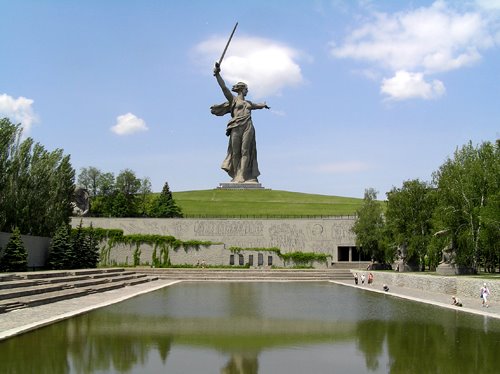
Mother Russia in spring
Subscribe to:
Posts (Atom)